Understanding Hardness Reagents and Their Applications
In various scientific and industrial fields, determining the hardness of water is crucial. This is where hardness reagents play a vital role. These chemical solutions enable accurate measurement of calcium and magnesium ions – the primary contributors to water hardness. This article will delve into the types of hardness reagents, their applications, proper usage, and considerations for selecting the right reagent for specific needs. Accurate water hardness testing is essential for process control, preventing scale formation, and ensuring product quality in numerous industries.
What are Hardness Reagents?
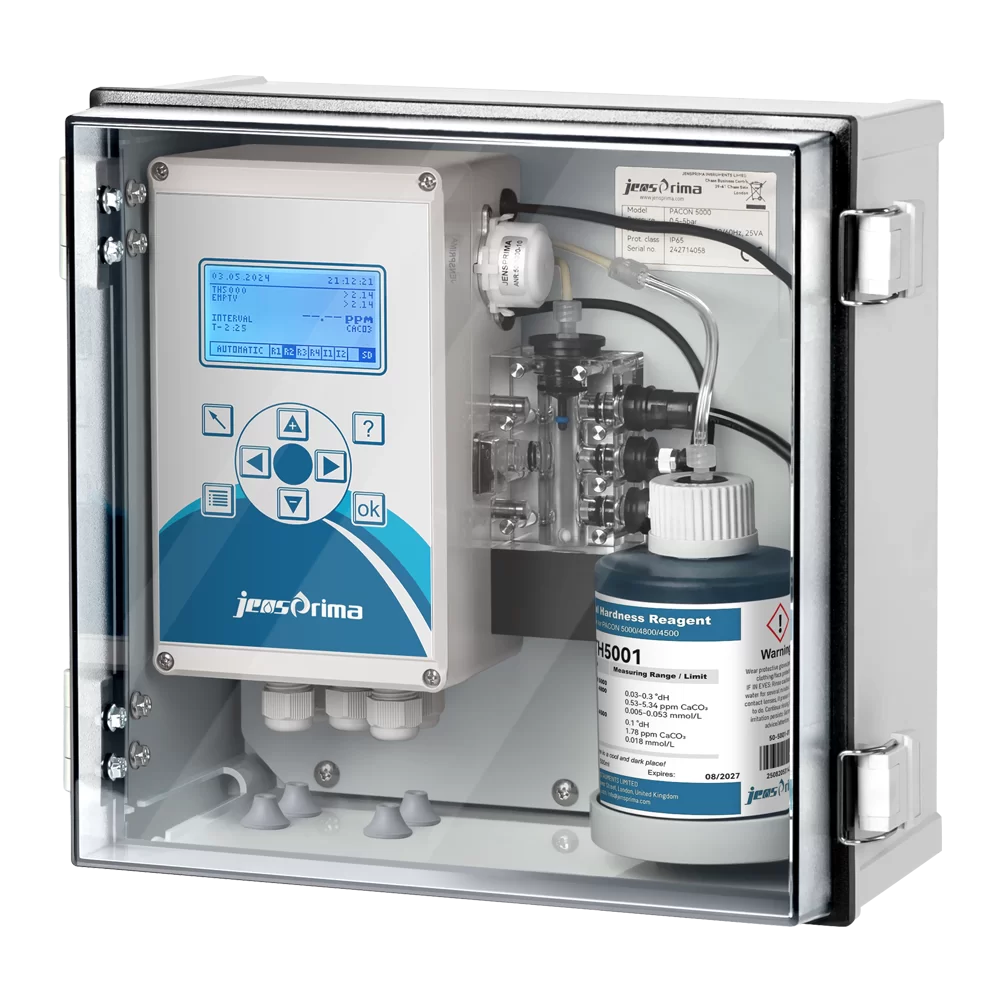
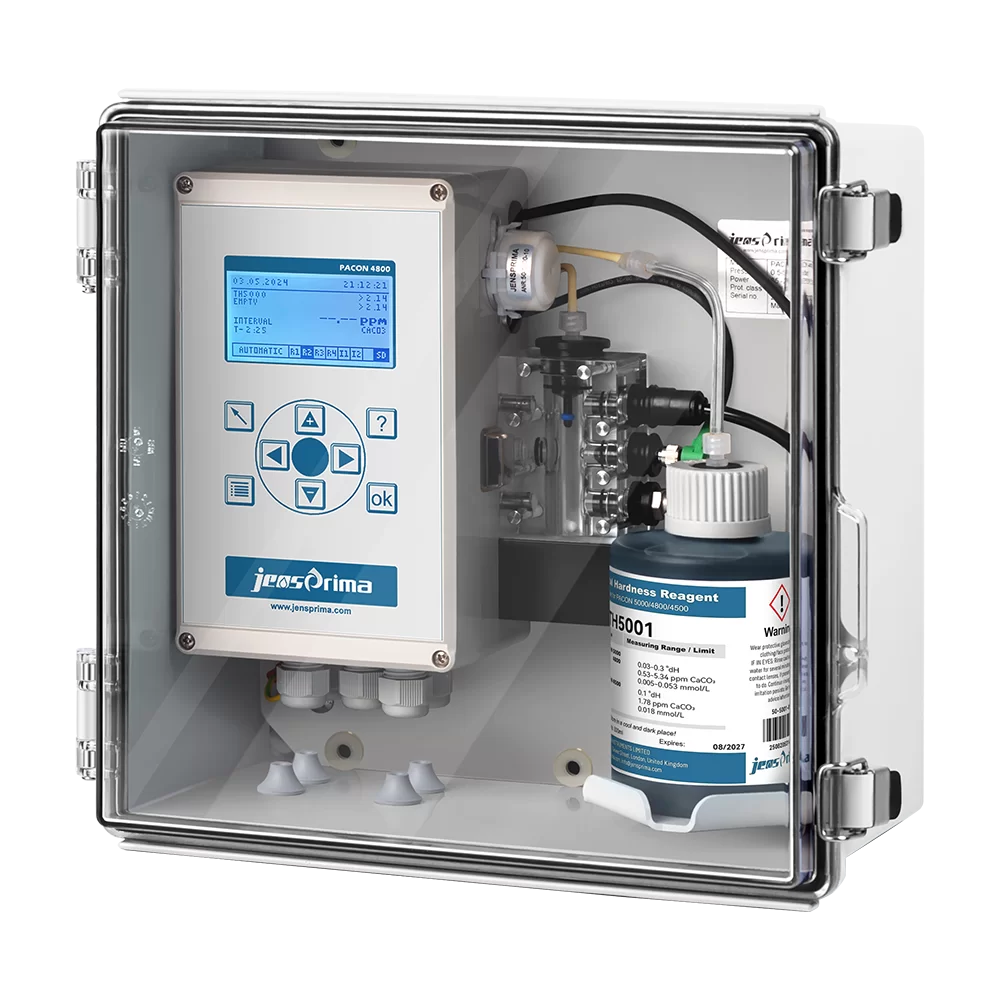
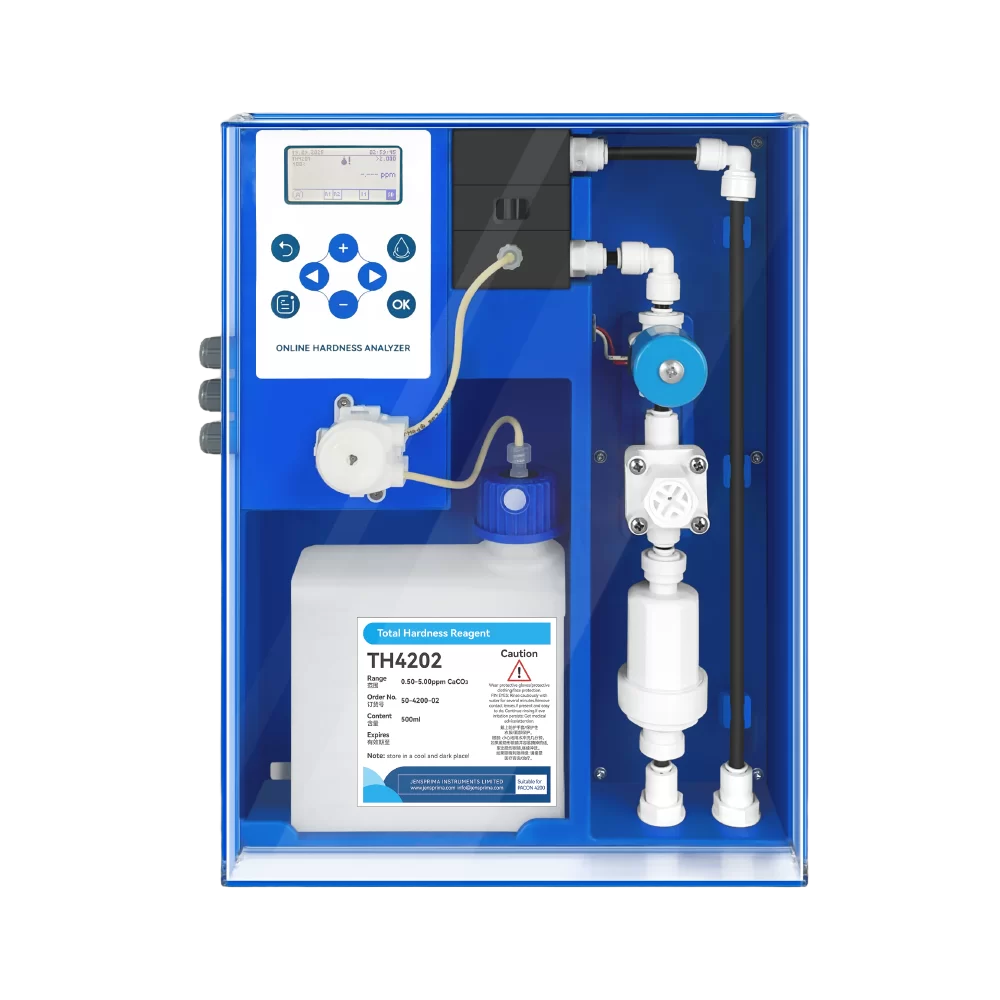
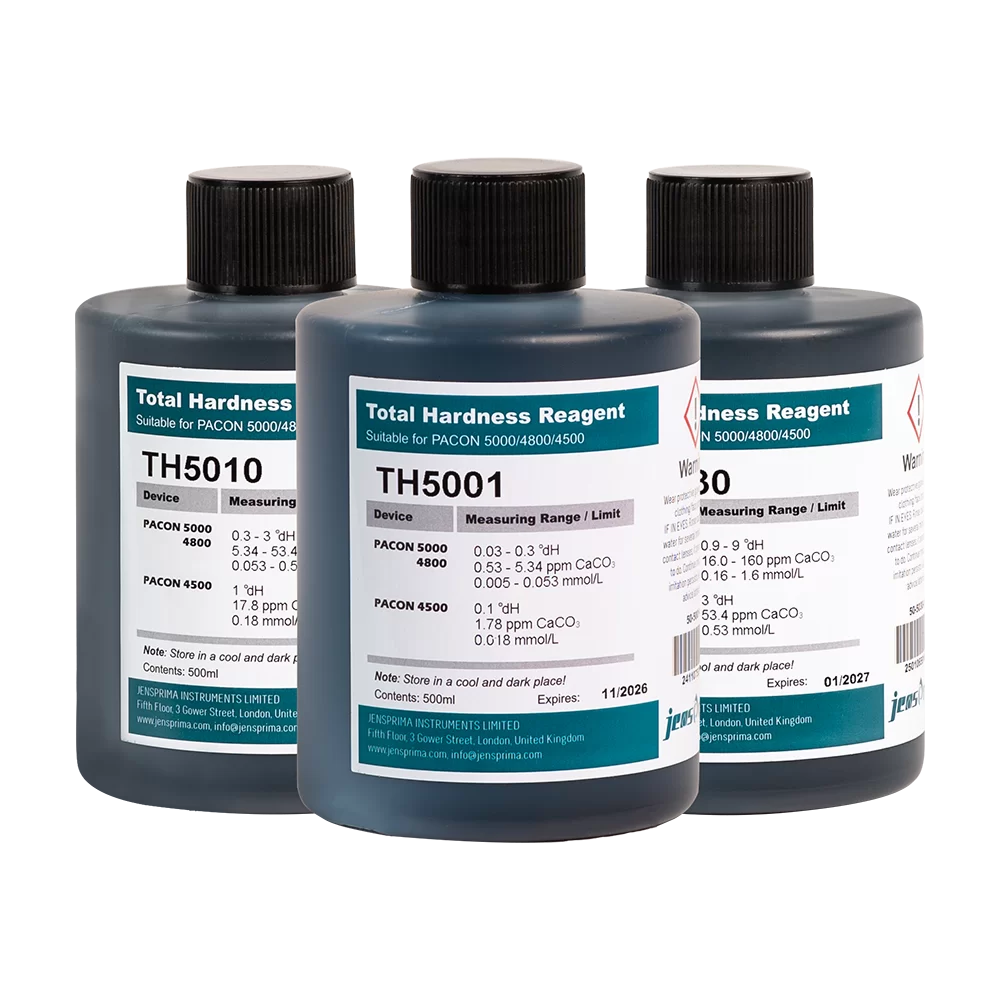
Hardness reagents are specifically formulated chemical solutions designed to react with calcium and magnesium ions in water, producing a color change or precipitate that allows for quantitative determination of water hardness. These reagents typically contain indicators, complexing agents, and buffer solutions. The most common types of hardness reagents are based on EDTA (ethylenediaminetetraacetic acid) titration. EDTA forms stable complexes with calcium and magnesium ions, and the endpoint of the titration is indicated by a color change using an appropriate indicator. Different reagents are tailored to specific titration methods and hardness ranges.
Key Highlights: Hardness reagents facilitate accurate measurement of calcium and magnesium ions. EDTA-based reagents are widely used for titration-based hardness determination. Proper reagent selection ensures reliable and accurate results.
Several types of hardness reagents are available, each with its specific application and advantages. Here's a breakdown of the most common types:
- EDTA Titrants: These are the most widely used reagents, typically available as disodium EDTA solutions.
- Hardness Indicators: Eriochrome Black T (EBT) and Calmagite are common indicators that change color at the titration endpoint.
- Buffer Solutions: These maintain the pH level required for accurate titration, usually around pH 10.
- Standard Calcium Solutions: Used to standardize the EDTA titrant before use.
Reagent Component Breakdown:
• EDTA Titrant: Provides the chelating agent for calcium and magnesium.
• Indicator: Signals the endpoint of the titration process.
• Buffer: Maintains optimal pH for accurate results.
Applications of Hardness Reagents
The applications of hardness reagents are extensive, spanning various industries and research fields:
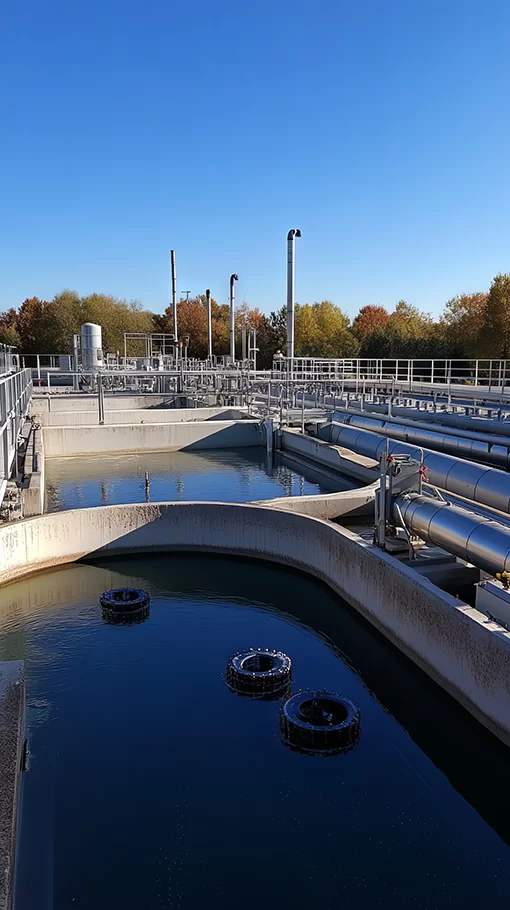
- Water Treatment: Monitoring and controlling water hardness in industrial and municipal water treatment plants.
- Boiler Water Analysis: Preventing scale formation in boilers, which can reduce efficiency and cause damage.
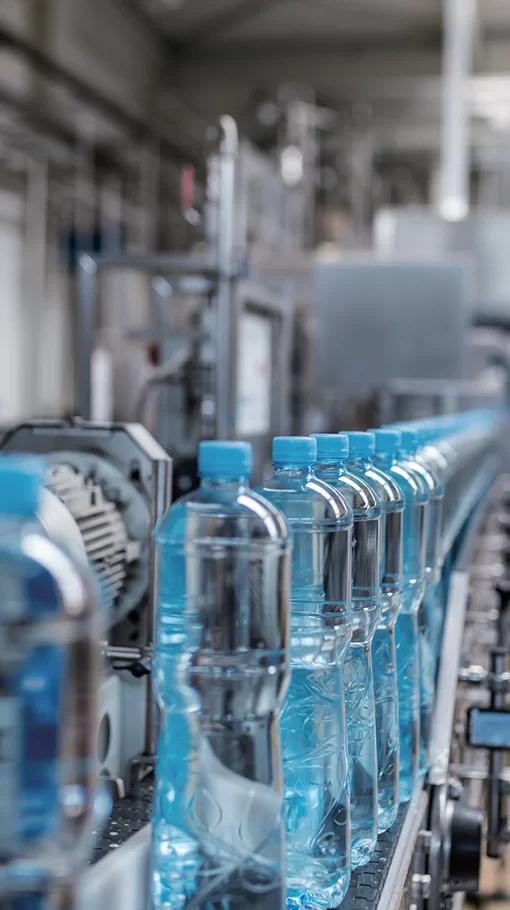
- Food and Beverage Industry: Ensuring water quality for brewing, food processing, and other applications.
- Pharmaceuticals: Maintaining the required water purity for drug manufacturing.
- Environmental Monitoring: Assessing water quality in rivers, lakes, and groundwater.
Selecting the appropriate hardness reagent depends on several factors, including the expected hardness range, the titration method used, and the desired level of accuracy. Consider the following:
| Factor |
Consideration |
| Hardness Range |
Select a reagent suitable for the anticipated hardness level. |
| Titration Method |
Ensure the reagent is compatible with the chosen titration technique. |
| Accuracy Requirements |
Choose a reagent with appropriate purity and standardization. |
Safety Considerations When Using Hardness Reagents
Handling hardness reagents requires careful attention to safety protocols. Always wear appropriate personal protective equipment (PPE), including gloves, safety glasses, and a lab coat. Avoid contact with skin and eyes. Work in a well-ventilated area. Refer to the Material Safety Data Sheet (MSDS) for specific hazard information and handling instructions. Proper disposal of reagents is essential – follow local regulations for chemical waste disposal.
Conclusion: Ensuring Accurate Water Hardness Analysis
Understanding hardness reagents and their proper application is critical for accurate water hardness analysis. By selecting the right reagents, adhering to safety protocols, and employing appropriate titration techniques, you can ensure reliable results for diverse applications. <a href="https://www.jensprima.com" style="color: white; text-decoration: underline; font-weight: 600;">Jensprima offers a comprehensive range of high-quality hardness reagents to meet your specific needs.
Frequently Asked Questions (FAQs)
What is the difference between temporary and permanent hardness?
Temporary hardness, also known as carbonate hardness, is caused by the presence of calcium and magnesium bicarbonates. This type of hardness can be removed by boiling, which precipitates the bicarbonates as carbonates. Permanent hardness, on the other hand, is caused by calcium and magnesium sulfates, chlorides, and nitrates, which are not removed by boiling. Hardness reagents primarily measure the total hardness, encompassing both temporary and permanent types, and further tests are required to differentiate between them. Accurate total hardness measurement using reagents is the first step in comprehensive water quality assessment.
How often should I standardize my EDTA titrant?
It is recommended to standardize your EDTA titrant with a primary standard, such as calcium carbonate, before each use or at least daily when performing frequent analyses. The concentration of the titrant can change over time due to factors like evaporation or absorption of moisture. Standardization ensures the accuracy of your hardness measurements. Using a standardized solution prevents systematic errors and guarantees reliable results. <a href="https://www.jensprima.com" style="color: #e74c3c; text-decoration: underline; font-weight: 600;">Jensprima's standard calcium solutions are ideal for accurate EDTA standardization.
What is the role of the buffer solution in hardness titration?
The buffer solution maintains the pH at the optimal level (typically around pH 10) for the EDTA complexation reaction with calcium and magnesium ions. The indicator used in the titration undergoes a color change only within a specific pH range. The buffer ensures that the pH remains within this range throughout the titration, allowing for a sharp and accurate endpoint detection. Without a proper buffer, the titration results may be inaccurate and unreliable.



 Download
 Video Center
 Technical Services
 FAQS
FAQS Service Network
 Privacy Policy
 Contact Us




 LEARN MORE